
Houston’s Traffic Nightmare: 77 Hours a Year and Growing
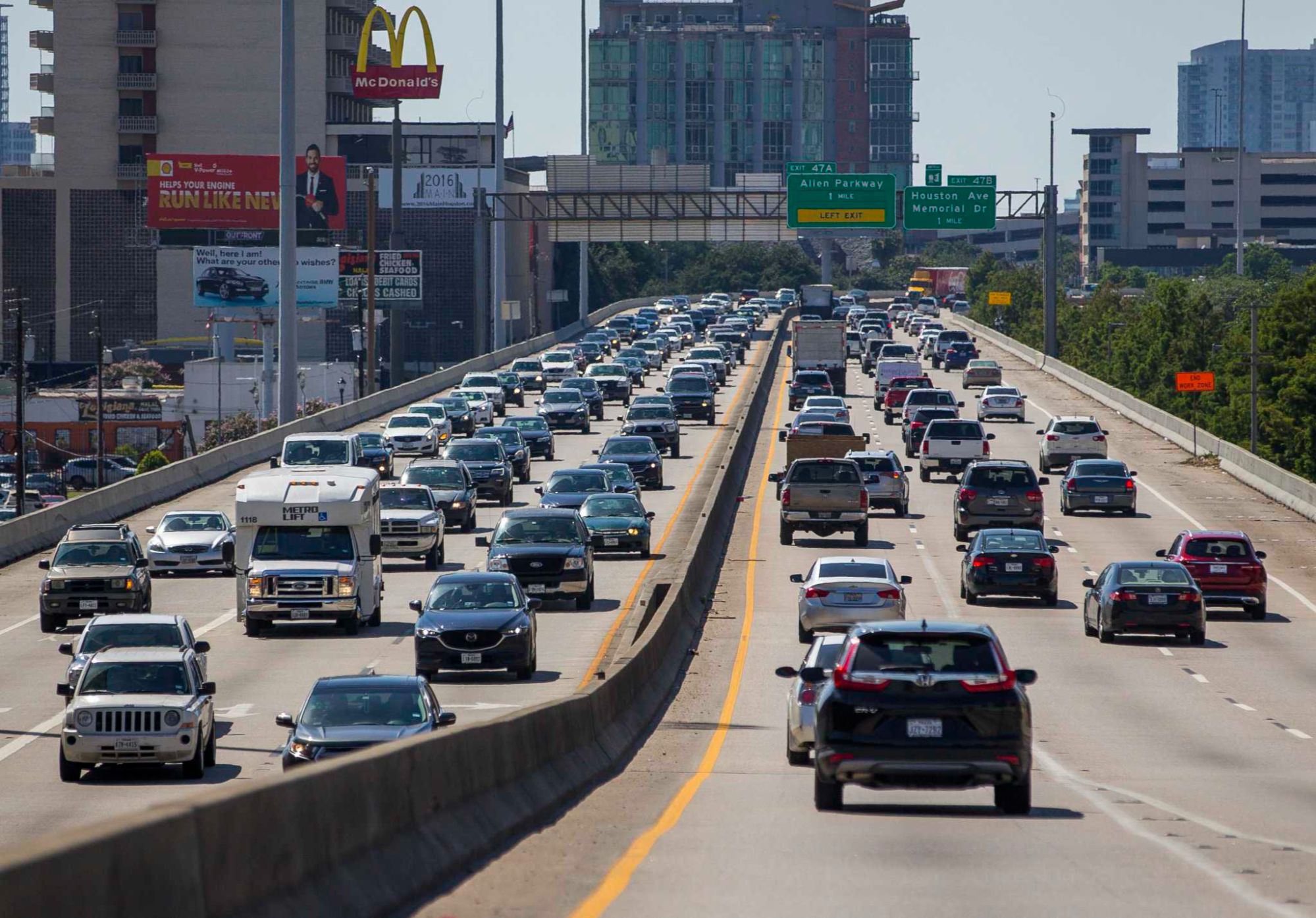
If you live in Houston, you probably already know how frustrating traffic can be. But the numbers, when you see them laid out, are hard to ignore. According to the latest report by Texas A&M Transportation Institute (TTI), the average Houston commuter spent a record-breaking 77 hours stuck in traffic in 2024 — up from 73 hours in 2023.
That traffic cost isn’t just measured in regret and empty fuel tanks. TTI estimates the typical commuter lost about $1,819 in time and gas over the year. Across the region, that adds up to a staggering $7.3 billion in economic losses.
What’s Fueling the Gridlock
🔹 Houston’s Growth Surge & Changing Commutes
The congestion isn’t just about more cars — it’s about more people, more jobs, and more complexity. As Houston’s metro area expands, more residents are commuting from far-flung suburbs to job centers. A 2019 TTI report showed that even then, Houston drivers were already losing 75 hours a year to traffic — up sharply from 43 hours in 2000.
Population growth, sprawling residential development, and an increasing number of delivery vehicles all put pressure on infrastructure. As TTI’s researchers have pointed out, travel demand has outpaced the capacity of many roads — and no single fix will solve the problem.
🔹 Construction, Trucks & Off-Peak Congestion
Construction on highways, urban development, and infrastructure projects is another major factor. What used to be “rush hour” no longer fits neatly into early-morning or late-afternoon windows. The recent TTI report notes that congestion has spread well beyond the traditional commute times; Thursdays are now the most congestion-heavy day of the week, and backups can happen anywhere from 10 AM–2 PM.
Add to that the rise in delivery trucks supporting booming e-commerce and food/grocery delivery services — and you get more slowdowns, especially on arteries and feeder roads not built for heavy commercial traffic.
🔹 Unpredictability: The Hidden Cost
It’s not just hours lost — it’s the unpredictability. TTI’s “Planning Time Index” reveals that on heavy-traffic days, commutes can take nearly twice as long as when roads are clear. So if your drive usually takes 20 minutes, you’d better assume it could take 35–40 minutes if there’s unexpected congestion.
That unpredictability alone can reshape entire daily schedules — forcing people to leave much earlier, disrupt routines, or even skip leisure activities just to make sure they get to work or appointments on time.
How Houston Compares — And Why It “Feels” Worse
It’s tempting to assume traffic must be way worse than elsewhere — but the data shows a more complicated story. While 77 hours is the highest on record for Houston, the city now ranks 15th among major U.S. metros for traffic delays. That’s a drop from being in the top 10 just a few years ago.
Still, the human toll feels immediate: longer commutes, unpredictable delays, stress, lost time with family — and everyone’s schedule gets less flexible.
Even global traffic trackers show Houston among the more congested U.S. cities, though places such as New York, Los Angeles, and Chicago suffer far higher delays.
What’s Being Done — And What’s Still Needed
Some efforts are aimed at easing the burden. State and local officials have boosted funding and launched infrastructure projects to expand freeway capacity and improve flow. TTI note that these investments probably prevented even worse congestion than what we’re seeing now.
Still, many experts say Houston needs a multi-pronged strategy:
-
Invest in public transit and alternative commuting options — pushing mass transit, ride-shares, and cycling where feasible.
-
Smart urban planning — encourage mixed-use developments so people can live closer to work or shop on foot, reducing daily vehicle trips.
-
Traffic demand management — staggered work hours, flexible scheduling, telecommuting options, and workplace policies that reduce peak demand.
-
Freight and delivery logistics improvement — optimize delivery windows and routes to reduce congestion caused by trucks during peak times.
-
Infrastructure upgrades — not just more lanes, but smarter, data-driven improvements: signal timing, ramp metering, dedicated truck or freight lanes.
What It Means for Houstonians
If you’re a commuter in Houston, the numbers above explain why many of us feel like we’re stuck in traffic more than we used to. Whether you’re driving to work, running errands, or dropping kids off at school — time lost to congestion is real time lost with family, hobbies, and life.
But knowing the scope of the issue can also help shape how we respond. Maybe that means:
-
Leaving earlier or later to avoid peak jams
-
Carpooling or trying public transit when possible
-
Supporting infrastructure and transit investments in your community
-
Considering living closer to work if possible
Because while Houston’s traffic problem isn’t going away overnight, informed decisions and collective effort can help make it better.
Want more Southeast Houston updates? Follow Watchdog Realty Group for clear, no-fluff breakdowns of the projects shaping our communities from new roads to new neighborhoods. 🏡📢
Recent Posts